CONTINUE READING

Leveraging AI


‣
UNCDF is advancing innovation at the intersection of finance and technology. In Sierra Leone, UNCDF is piloting the country’s first weather index insurance for smallholder farmers. The solution leverages satellite imagery, remote sensing and automated weather data to trigger payouts when predefined thresholds are reached, removing the need for costly on-the-ground loss assessments. This reduces transaction costs, increases transparency and enables near real-time compensation following droughts or floods, demonstrating how digital infrastructure can transform risk financing at the last mile.
#UNCDF
‣
In the Pacific, UNCDF and Aon co-created a first-of-its-kind disaster resilience vehicle that uses parametric insurance and pre-arranged finance to deliver rapid liquidity after climate shocks. It uses pre-agreed triggers, such as wind speed or rainfall levels, to release payments automatically. This means communities can access support quickly without long assessment processes.
#UNCDF
‣
The UN Innovation Technology Accelerator for Cities’ (UNITAC) Urban Recovery Planning System is a web-based, open-source digital platform designed to support crisis response and reconstruction planning. Developed in the context of urban recovery work in Ukraine, the tool integrates spatial information to support evidence-based decision-making.
#UNITAC
‣
UNESCO launched the Digital Innovation Hub for Disaster Risk Reduction — a global platform connecting governments, scientists, communities and the private sector. Innovative disaster risk reduction and climate adaptation tools exist and yet they are often dispersed across sectors and platforms, making it harder to identify the most appropriate solutions for complex disaster risks. The Hub features over 1,200 tested solutions for prevention and mitigation, preparedness, response, and recovery and reconstruction.
#UNESCO
Emergency Response

Video: KRISHNAN NARASIMHAN, UNCDF Lead Technical Specialist on Climate Risk Insurance and Programme Manager for the Pacific Insurance and Climate Adaptation Programme (PICAP) break down how risk transfer solutions can change disaster response.
‣
With funding from the Joint SDG Fund, Ghana is pioneering digital lending to micro, small and medium-sized enterprises by using non-traditional data (e.g. mobile money transactions) to assess credit worthiness. By combining trusted local lending relationships with digital credit assessment, the project enables banks to expand access to finance to previously unserved businesses.
#JOINT SDG FUND
#UNCDF
#RCO
#UNCTAD
#UNDP
‣
UN Tourism's AI-powered Family Friendly course was launched in El Salvador as a WhatsApp-based micro-learning programme with an AI tutor. The course explores family tourism, including advantages and challenges of family tourism and designing tourism products for families. Reaching 2,500 participants, it achieved 1,000 completions within the first week, demonstrating strong engagement and early impact.
#UN TOURISM
‣
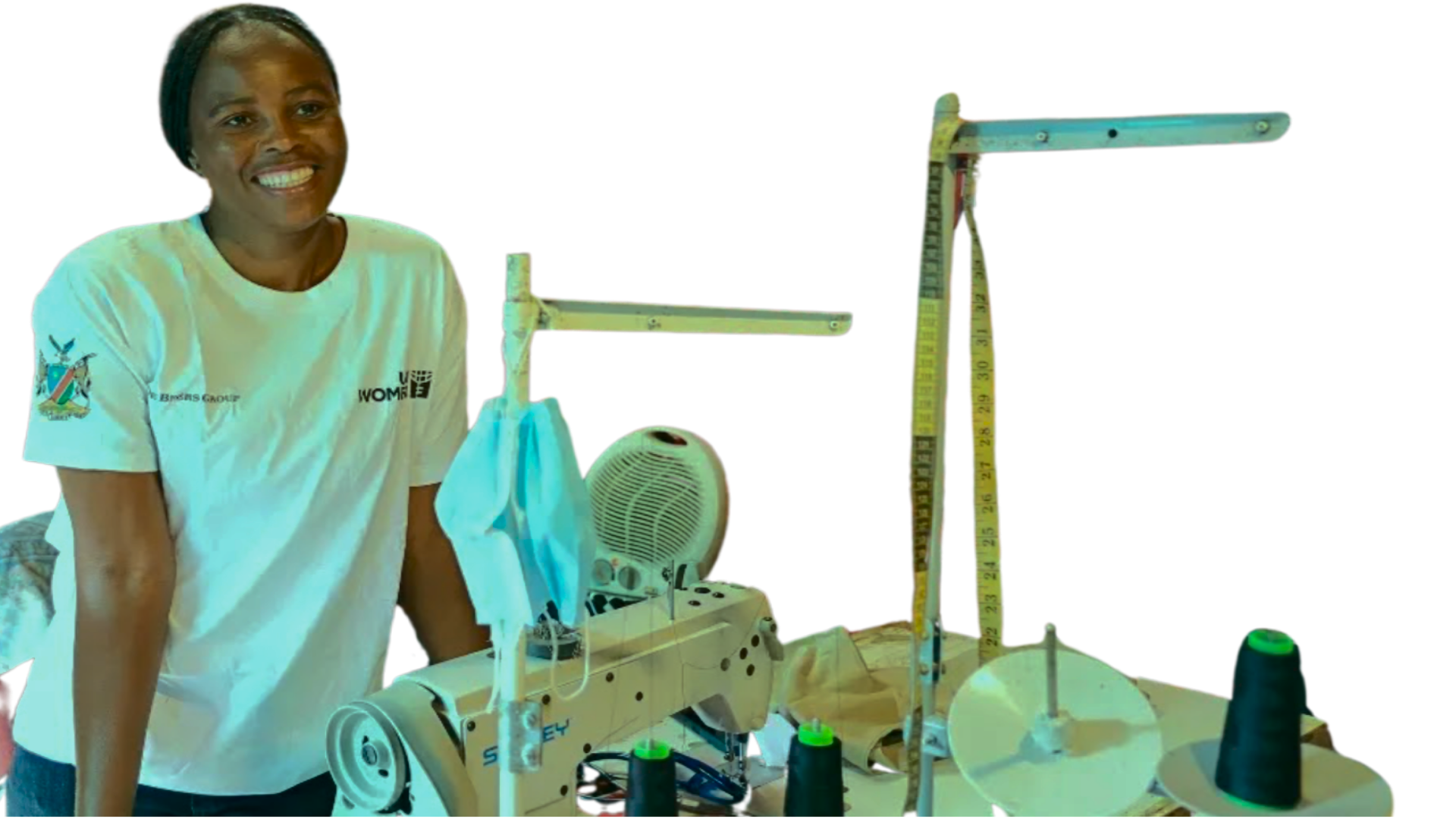
UN Women is protecting women’s innovation by securing intellectual property rights for female entrepreneurs in Namibia. Part of the EntreprenHER programme, the push to protect their intellectual property is essential for women entrepreneurs to scale their businesses.
#UN WOMEN
‣
OCHA’s Centre for Humanitarian Data’s new impact story illustrates how Sauti, a local NGO in East Africa, is using HDX data to help women increase their incomes, access health services and adapt to climate change using basic mobile phones.
#UN OCHA
‣
WFP’s ShareTheMeal reached the SheCan target of 600,000 meals. The campaign empowers women like Felistus in Zambia to boost incomes, strengthen resilience and build brighter futures.
#WFP
Video: Connected Communities: A testament to the impact of the United Nations by UN RCO in Chile
‣
UNHCR is unlocking refugee talent, strengthening labour markets, and building sustainable solutions through the Inclusive Digital Economy Alliance (IDEA), supported by the new UNHCR Innovation Accelerator. A forward-looking approach that pragmatically responds to global political realities, IDEA enables refugees to access remote online work by building digital skills pipelines, improving connectivity and workspaces, and linking talent to employers.
#UNHCR
‣
UN Guatemala and Red Ciudadana, with support from the Joint SDG Fund, are advancing the development of Inclusive Municipal AI through the Joint Programme on Digital Transformation. In this context, AI can help municipalities respond to citizen reports faster, guide residents through administrative procedures better, anticipate potential disruptions to public services (e.g. lighting or water), and analyse patterns of service use to improve planning and decision-making.
#UNDP
#JOINT SDG FUND
#RCO
#UNESCO
#UNICEF
‣
UNITAC’s Digital Job Card is a web and mobile application that works online and offline to digitise the process of creating and tracking job cards for different urban services. In Namibia, it helps strengthen municipal preparedness, service delivery and day-to-day management.
#UNITAC
‣
Led by the Resident Coordinator’s Office in Chile with support from the Joint SDG Fund, the Connected Communities initiative expands broadband access to previously unconnected communities in remote areas. This unlocks access to education, public services, telemedicine, social protection platforms and new economic opportunities, improving the lives of over 440,000 people. With a strong focus on women, the initiative ensures that digital transformation expands opportunity rather than deepening existing divides.
#RCO
#JOINT SDG FUND
#ECLAC
#UN Women
#PAHO
#ITU
#FAO
Employment and Economic Activity
Image: Susan Sheeketela, an EntreprenHER programme participant in Namibia, is among the women entrepreneurs benefiting from business skills training and intellectual property protection support.
Climate and Environment
‣
In North Macedonia, the Joint SDG Fund supports a green finance facility targeting those often excluded from climate investment. By blending Fund resources with co-financing from the European Bank for Reconstruction and Development and working through six local commercial banks, the programme has mobilized over US$50 million for 300 renewable energy and energy efficiency projects benefiting SMEs and vulnerable groups.
#RCO
#UNDP
#IOM
#UNECE
#JOINT SDG FUND
‣
With the Gates Foundation, IFAD is advancing climate-smart agribusinesses in Kenya and Nigeria by integrating climate information into value chains. In Ethiopia, its CompensACTION pilot links ecosystem service payments to carbon markets, using remote sensing to turn smallholder agroforestry into verified carbon assets that channel climate finance to rural communities.
#IFAD
‣
UN Department of Global Communication’s Verified for Climate is a global initiative that helps people push back against climate disinformation online and in everyday life. It works through Verified Champions, including teachers, scientists, TV presenters, wellness coaches and artists, who speak to their audiences in their authentic voice. Its behavioural approach is grounded in a simple idea: people are more resilient to disinformation when climate solutions feel fair, effective and personally relevant. Verified for Climate equips Champions with training and research to tell stories rooted in local context and everyday experience. The initiative weaves climate stories into cultural moments - from the London Marathon and Wimbledon to the Parintins Folklore Festival in Brazil and the Jakarta Running Festival. These stories generate more comments and shares than standard climate content and leave viewers confident about climate solutions. This work shows that culture-linked, community-focused and solutions-oriented content is effective at strengthening confidence in climate action.
#UN DGC
Food, Water and Agriculture
‣
With support from WFP, local entrepreneurs across Iraq are pioneering climate‑smart innovations, from indoor mushrooms to regenerative vermicompost and low‑cost irrigation sensors.
#WFP
‣
FAO is supporting countries in developing national digital agriculture strategies and strengthening innovation ecosystems through the Global Network of Digital Agriculture Hubs and the Digital Villages Initiative. These efforts expand digital advisory services, improve digital literacy and support the uptake of AI-enabled tools.
#FAO
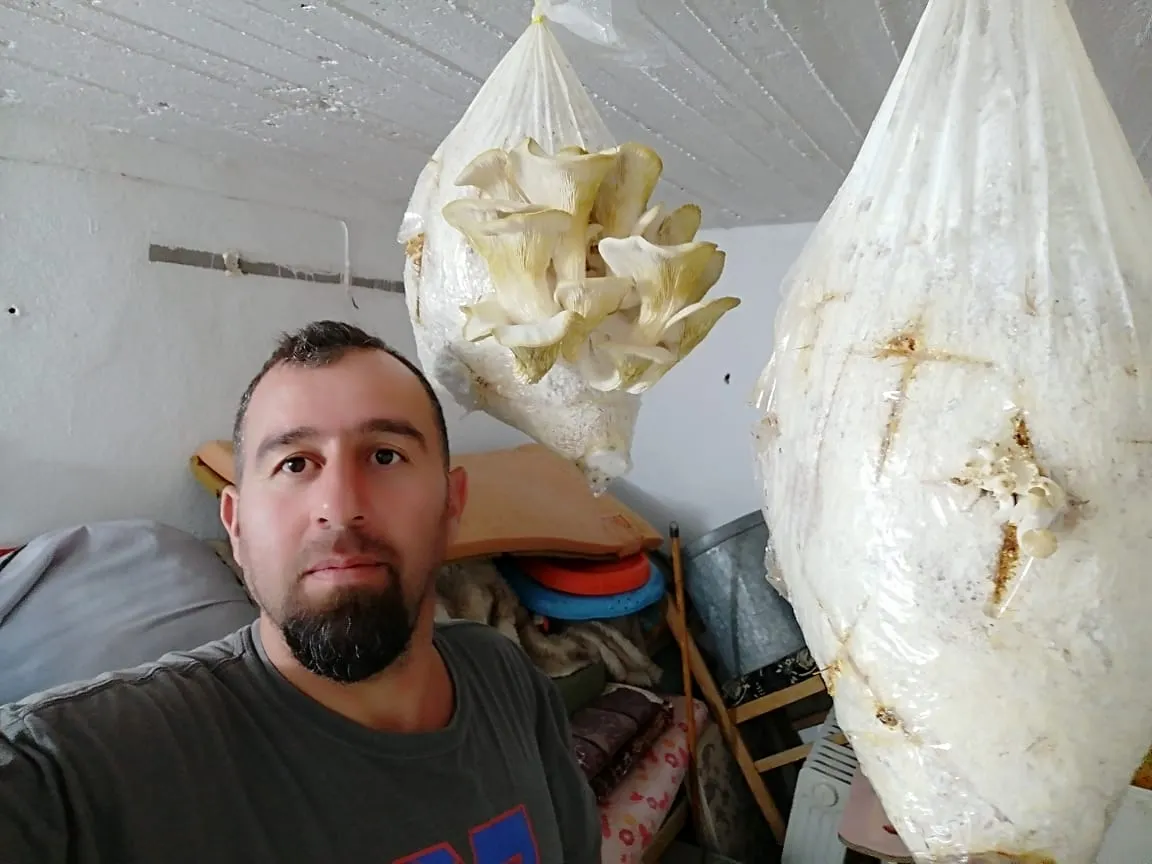

Image: Mushroom produce in Mosul (Al-Reef Mushroom) by farmers as part of the pilot.
Education
‣
Through the African Girls Can Code Initiative, UN Women continues to support digital learning spaces that build coding, ICT and broader technology skills. The expansion of ICT hubs to two schools in Uganda highlights a practical model for widening girls’ access to digital skills development.
#UN WOMEN
‣
A joint ITU-UNICEF initiative, Giga provides support to governments towards connecting every school to the Internet. Building onto its development of open-source tools, Giga launched the Giga Accelerator - a business development programme for growth stage innovators, which recently concluded its inaugural five-month running with participants showcasing scalable school connectivity solutions to an international audience at Mobile World Congress 2026 and Giga’s Technology Centre. Explore these innovations here.
#ITU
#UNICEF
#GIGA
‣
Giga’s innovations in procurement redesign are reducing school connectivity costs while improving service quality. Competitive, multi-vendor long-term agreements expand supplier participation and strengthen price competition. In Kenya, suppliers increased from 3 to 19 between 2019 and 2026, reducing costs by 60% and improving coverage. Using government backbone networks lowers costs, while schools extend connectivity. Similar pilots have achieved cost reductions of 55% in Rwanda and 93% in Botswana, demonstrating scalable, high-value delivery.
#GIGA

Image: GIGA
Health
‣
UNFPA’s AI-powered tool SITA is reshaping health delivery in Nepal by transforming data analysis to strengthen reproductive health services.
#UNFPA
‣
UNICEF Femtech Ventures announced its first cohort of 10 frontier tech startups from Africa and Asia seeking to expand equitable access to health, well-being and sexual and reproductive health and rights. The startups focus, among others, on improving maternal health services and post-partum care, detecting online abuse in real time, and improving the safety of women and girls using public transport. Each startup will receive up to USD 100,000 in equity-free funding and a year of mentorship.
#UNICEF
‣
UNFPA India is leveraging Virtual Reality (VR) to enhance midwifery capacity for safer maternal care, enhancing skills in neonatal resuscitation, postpartum hemorrhage management and normal childbirth.
#UNFPA
‣
Innovations from WHO’s LEAD Challenge are delivering real-world impact. In Ethiopia, the Local Production of Antibiotic Discs project is advancing toward scale-up and institutionalisation, including regulatory alignment and investment in local production capacity.
#WHO
‣
UNFPA is moving beyond pilots to systems change. Through the WomenX Collective, catalytic financing is unlocking scalable solutions - from digitalising last-mile supply chains to prevent stock outs in Côte d’Ivoire to expanding self-care contraception in Uganda and telemedicine in the Philippines.
#UNFPA
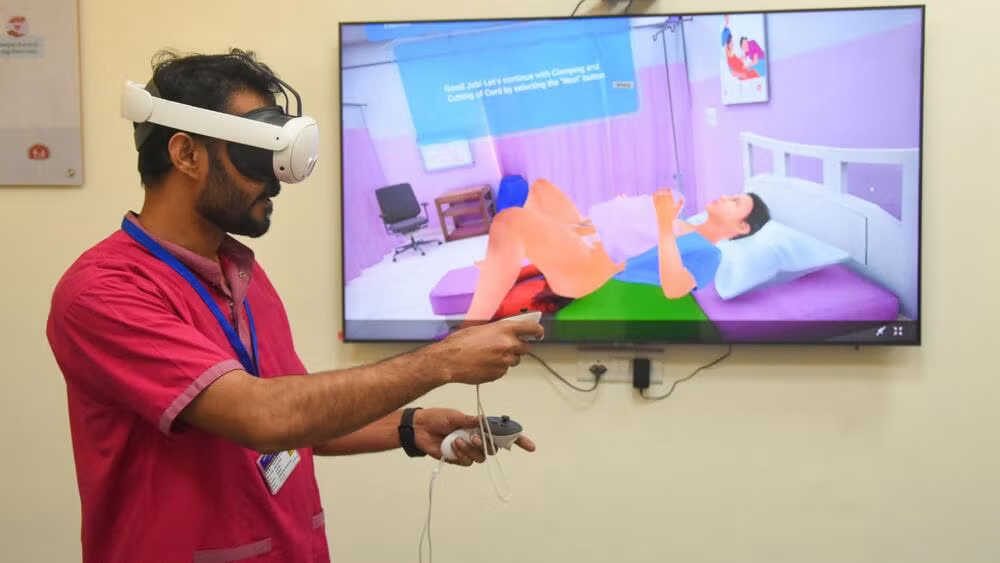

Image (Top): UNFPA India is leveraging VR technology for maternal care.
Video (Bottom): UNFPA WomenX Collective pilot

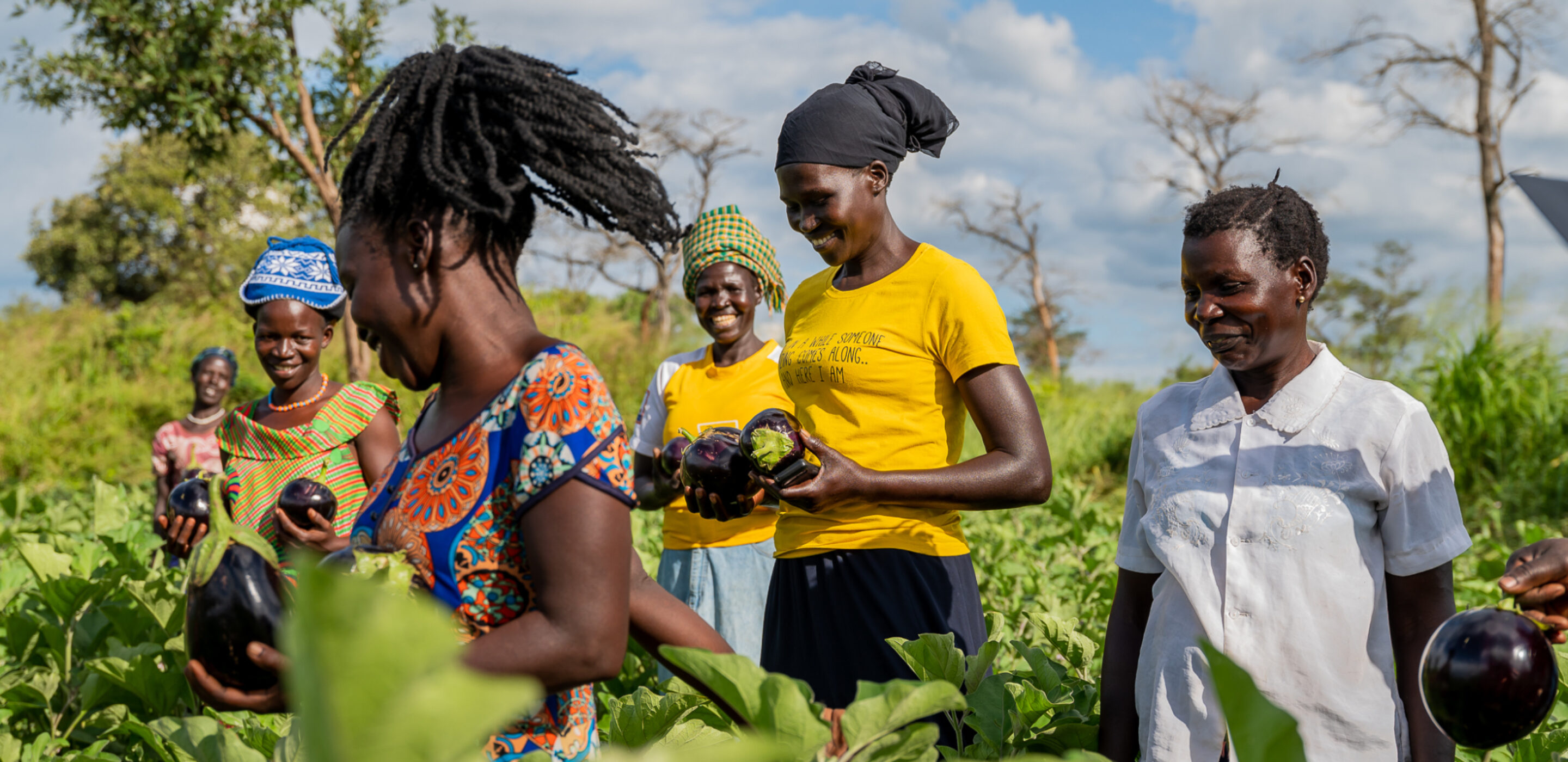
Across health, education, climate, food systems and economic inclusion, UN innovation is shifting from pilots to scalable systems that are leveraging AI, digital infrastructure, frontier tech and financing models to expand access, reduce costs and strengthen resilience, with measurable impact in underserved and climate-vulnerable communities worldwide.
INNOVATION IN VARIOUS SECTORS
