CONTINUE READING

Publications, Guides and Toolkits

@UN_Innovation
info@uninnovation.network
uninnovation.network

/un-innovation-network
‣
The WFP Innovation Forum 2026 highlighted how innovations are translating into real‑world impact, showcasing solutions that are improving lives, strengthening systems and accelerating progress where it’s needed most.
#WFP
‣
UN Global Pulse’s Innovation Scaling team led a UNSSC Webinar on Innovation in March 2026. In the webinar, Global Pulse discussed the topic “Innovation in the UN - Leadership Choices that Enable and Drive Innovation”, highlighting the important role of senior leaders to drive innovation for UN transformation.
#UN GLOBAL PULSE
‣
UNDP hosted a series of Digital X 3.0 knowledge-exchange webinars on strengthening human security through digital public goods, organised in partnership with the Government of Japan.
#UNDP
‣
The UN Youth Office advanced its innovation agenda through the #YouthLead Festival. Highlights include a global, decentralised foresight initiative powered by AI analysis, which captured insights from 75,000 young people, bringing local community voices into global spaces of influence. The Festival convened intergenerational roundtables, enabling interactive exchanges between UN leadership and young people on emerging priorities.
#UN YOUTH OFFICE
‣
IFAD co-organised the 2026 Great Green Wall Week with Djibouti’s Ministry of Environment and Sustainable Development, alongside UNCCD and CIFOR-ICRAF, advancing Africa-led land restoration, resilience and innovation in the Sahel. Through its Programme of Loans and Grants and the USD 20 million Great Green Wall Regional Support Programme, IFAD is strengthening governance, climate finance, knowledge management and institutions while scaling agroecological innovation and technical support across the 11 Great Green Wall countries.
#IFAD
#UNCCD
‣
Weather research is undergoing transformative innovation across sectors, from AI-based forecasting to early warning systems. WMO World Weather Research Programme's Weather and Society Conference 2026 demonstrated the importance of integrating diverse knowledge systems to strengthen capacities and services. Rather than treating indigenous and local knowledge as supplementary, weather services must recognise these as co-producers of critical insights, demanding institutional shifts in decision-making power. Innovative products like the UCL Warning Database exemplify interdisciplinary advances, bridging research with practical case studies and strengthening capacity across sectors.
#WMO
‣
In Iraq, a practical Innovation & Systems Thinking workshop hosted by IOM enabled teams to map systems, frame challenges and design prototypes to enhance programme impact. In Germany, the From Projects to Visions workshop supported colleagues in applying systems thinking and innovative approaches to strengthen resource mobilisation and develop future‑ready projects.
#IOM
‣
UN Tourism held a workshop on AI during the UN Tourism Regional Commission for the Middle East. The workshop explored how AI solutions can be integrated into tourism in a responsible and innovative manner. The workshop will be rolled-out to the other Regional Commissions.
#UN TOURISM
‣
In Qatar, IOM and FAO together with regional experts convened a two‑day AI Hub MENA co‑design workshop to shape an AI Capacity‑Building Hub prioritising water‑use efficiency, agricultural productivity and climate‑mobility solutions, with strong youth engagement at its core.
#IOM
#FAO
Past
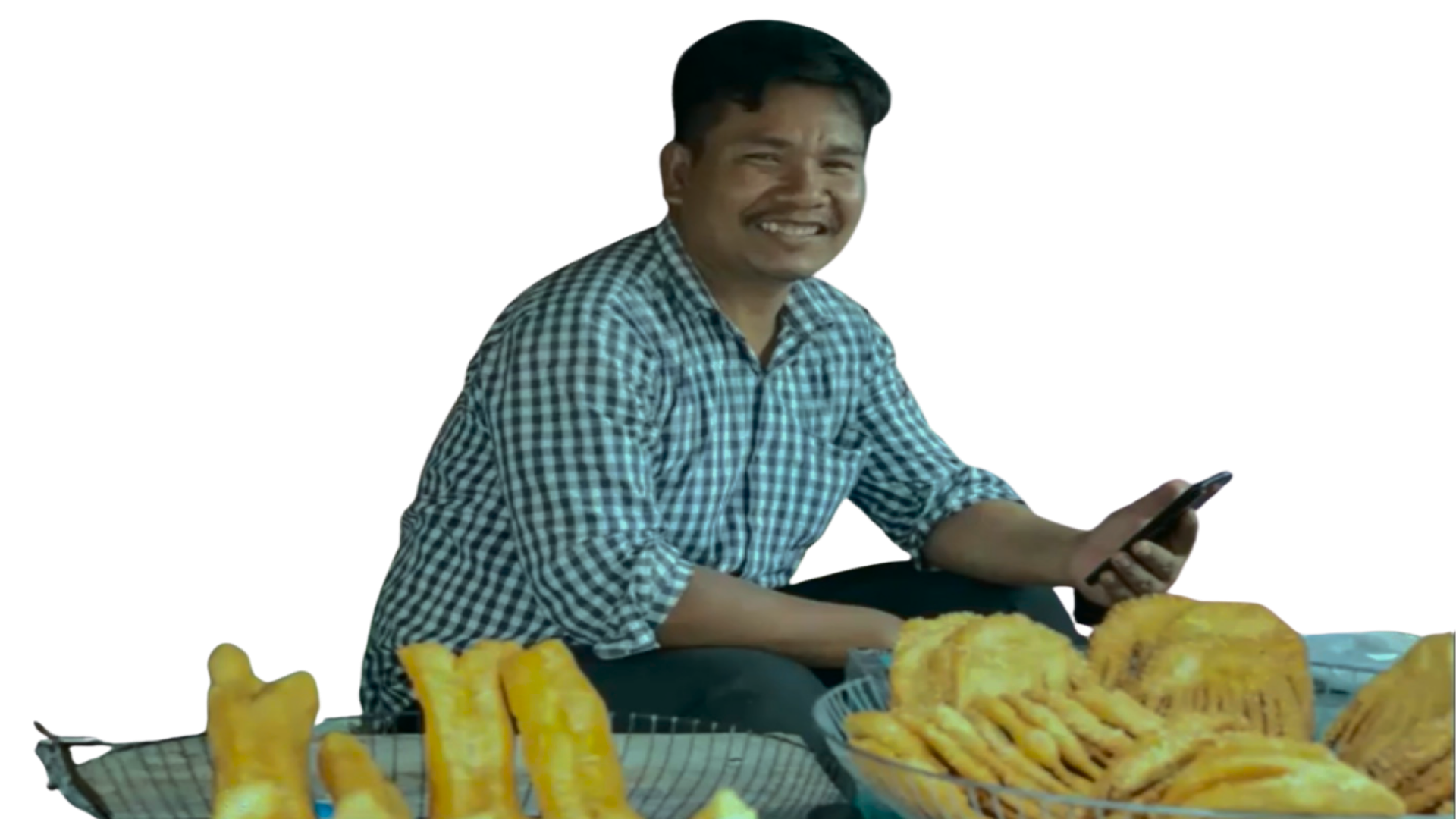
The first session of the Digital X 3.0 webinar series explored how digital tools can enhance social protection systems, helping governments and organizations reach vulnerable populations more effectively, improve service delivery, and strengthen resilience to crises.
‣
From 15–19 June 2026, UN 2.0 Week returns, bringing together thousands of colleagues from across the UN system to share progress, build hands-on skills and strengthen local coalitions for action. This third UN 2.0 Week will also feature a major first: the inaugural UN 2.0 Awards, celebrating teams and initiatives using new capabilities to drive stronger delivery and greater impact. Save the date and get ready to submit your application or an initiative leading by example.
#UN EOSG
‣
From 15–17 June 2026, Data for Peace 2026 will convene peacebuilders, policymakers, researchers, humanitarians and technologists to explore how data and technology can support violence prevention, early action and crisis response. Supported by CRAF’d, it will highlight how innovation can be applied effectively, at scale, and in context. Submit a proposal or sign up for registration updates.
#CRAF’D
Meetings and Events
Upcoming
Infrastructure to Drive Innovation
‣
Officially launching in mid-2026, the UNHCR Innovation Accelerator systematically supports promising pilots on their journey to scale and integration across UNHCR and the humanitarian-development ecosystem. Projects already supported are working on displacement issues including digital employment; sustainable electricity access; misinformation, disinformation and hate speech; and digital connectivity.
#UNHCR
‣
ITU launched an Innovation Hub as a flexible, hybrid space for staff to learn and experiment with new digital and AI tools and act as intrapreneurs. As personnel build new skills and mindsets, the organisation becomes more resilient and agile in responding to an increasingly digital and AI-enabled world. ITU invites Member States, Sector Members, Academia and other eligible partners to express interest in supporting the Hub.
#ITU
‣
UNIDO introduced ScaleX as an open innovation platform aimed at helping countries move from isolated pilots to scalable industrial impact. Built on UNIDO’s broader footprint across 120+ countries, 700+ ongoing projects, and 2,500 technical experts globally, ScaleX integrates testbeds, policy sandboxes and coordinated investment pathways to accelerate technology adoption.
#UNIDO
‣
WFP launched the Western and Central Africa Regional Office Innovation Hub.
#WFP
‣
The UNFPA-led Equity 2030 Alliance is redefining how women-centred solutions are financed, mobilising USD 6.4 billion in catalytic capital in just two years. This momentum is accelerating high-impact innovations already reaching 208 million women and girls worldwide.
#UNFPA
‣
Through the Equalizer Challenge 2025, UNFPA is supporting women-centred health innovations ranging from AI-enabled cervical cancer screening to menopause care, helping promising solutions gain catalytic funding, visibility and a pathway to market and scale.
#UNFPA
‣
IOM secured over USD 3 million through the 2025 Innovation Norway’s Humanitarian Innovation Programme round, with four projects selected from 14 funded globally, marking another milestone in a growing innovation portfolio driving field‑tested, people‑centred solutions worldwide.
#IOM
‣
UNIDO has advanced its Industry 4.0 agenda through launching an intelligent manufacturing innovation hub in Belarus. With a Center of Excellence for Innovative Production and the Technopark 4.0 digital platform, the hub supports training, technology transfer and small and medium enterprise adoption of advanced manufacturing solutions.
#UNIDO
‣
ITCILO is running a Foresight Lab to explore how Africa’s digital future can be shaped not only by technology, but by indigenous knowledge systems, youth agency and locally grounded visions of innovation.
#ITCILO
‣
OCHA’s Centre for Humanitarian Data trained nearly 500 local partners receiving funding from OCHA’s country-based pooled funds in the Central African Republic, Lebanon, Myanmar, Somalia and Sudan on data responsibility. This initiative supports responsible data management, which helps safely and ethically protect individuals, maintains community trust and ensures a coordinated humanitarian response.
#UN OCHA
‣
UN Trade and Development (UNCTAD) is delivering the third iteration of its online course Science, Technology and Innovation (STI) Policy and Practice: Working for Sustainable Development to strengthen the capacity of policymakers and stakeholders to understand how innovation emerges and how STI policy can support economic growth and sustainable development. This course helps participants better understand national STI ecosystems, design and implement effective STI policies. The 2026 spring–summer session has more than 500 registered participants. More information and updates on a future cohort (likely in Q4 2026) will be posted on the course page.
#UNCTAD
‣
UNU-BIOLAC and Allbiotech supported a capacity-building programme for policymakers in emerging biotechnologies and the bioeconomy in Mexico, Guatemala and Panama.
#UNU-BIOLAC
‣
The UN Tech Bank for the Least Developed Countries and the UN Office for South-South Cooperation are developing a joint initiative to strengthen STI capacities in least developed countries through South-South and triangular cooperation, supporting knowledge sharing, technology transfer and implementation of the Doha Programme of Action.
#UN TECH BANK
‣
UNICRI is providing regular, week-long training to the Supreme Judiciary Council of the State of Qatar to equip judges with the essential knowledge and skills required to responsibly integrate AI into their work and ensure they are abreast of developments in AI regarding criminal justice systems.
#UNICRI
‣
FAO’s Innovation Policy Labs, active in Uzbekistan, Madagascar, Colombia and Ethiopia and soon expanding to Zimbabwe, Kenya and Senegal, pioneer foresight driven and co-creative policymaking. The Labs are scaled with support from the UN Global Pulse Accelerator.
#FAO
#UN GLOBAL PULSE
‣
In Türkiye, a mission from the UN Tech Bank for the Least Developed Countries engaged government and development partners to explore collaboration on capacity-building, technology partnerships and project development, with strong interest in Technology Needs Assessments.
#UN TECH BANK
Beyond the UN System
Video: Innovation Policy Labs: Co-Creating Inclusive Policies for Agrifood Transformation (FAO)

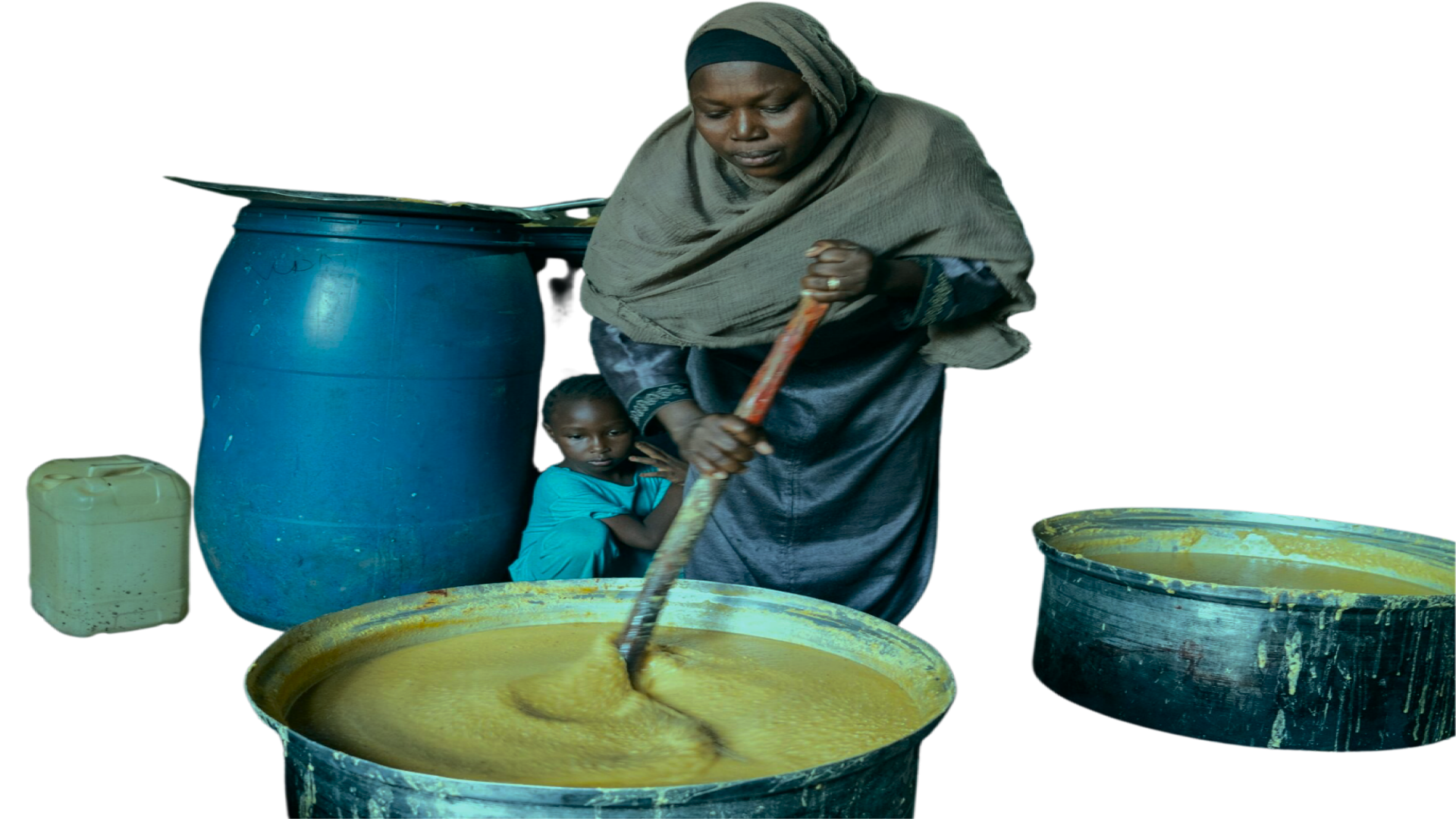
Image: Haj El Hassan Displacement Settlement, Gedaref State, Sudan, 5 November 2024. Haj El Hassan Displacement Settlement has been home to families displaced from across Sudan since the conflict began in April 2023. With support from the Sudan Humanitarian Fund, local community-led organizations have set up a community kitchen and provide food assistance. (OCHA/Yao Chen)
‣
The UNHCR Innovation Fellowship received more than 220 submissions, including 110 from across the UN system. Designed to equip participants with methodologies and mindsets to create lasting positive change, this learning journey will begin in mid-2026.
#UNHCR
‣
UN leaders are navigating resources, limited time and rising expectations, while steering teams through uncertainty. In response, the UNSSC Hub for UN Transformation launched a free webinar series on innovation, strategic foresight and behavioural science. Convening over 180 UN leaders from across the system, the series introduced these approaches not as abstract theory, but as practical tools for further strengthening leadership and decision-making.
#UNSSC
‣
ITCILO is exploring how (semi) humanoid robots are moving from the frontier into real-world learning and work settings, opening new questions for skills, governance, and human-centred innovation. Drawing on action research, field engagement, and a multi-stakeholder webinar, it offers a forward-looking lens on how embodied AI may reshape industries, adult learning and the future of work. The new course Humanoid Robots at Work explores this further.
#ITCILO
‣
UNICC launched the International Quantum Course, a freely accessible course, in partnership with Quantum Delta NL and ITU. It also introduced the Quantum Webinar Series, a knowledge-sharing initiative designed for staff of the UN and international organisations to explore the potential of quantum technologies and their applications.
#UNICC
#ITU
‣
UNITAR’s Inclusive Learning Design course gives frameworks and tools to develop learning experiences for the full range of learners, accounting for differences in ability, language and context. The free self-paced course introduces a novel approach centred on five 'inclusivity lenses', offering an evidence-based method to embed gender mainstreaming, intercultural sensitivity, anti-racism and disability inclusion into learning design processes.
#UNITAR
‣
Transformative Spaces is a collective initiative run by UN Women, UNSSC, NewWork, UNDP, UN DMSPC and UN DOS that convenes safe, inclusive spaces for connection, dialogue, co-creation and transformation. It democratises learning and access to tools, practices and creative spaces, building a foundation for forward-thinking, inclusive culture while growing colleagues’ capacity for transformational change at a system level. UNSSC recently launched a dedicated Transformative Spaces learning community in the Blue Line, where colleagues can connect, co-create and learn together.
#UN WOMEN
#UNSSC
#UNDP
#UN DMSPC
#UN DOS
‣
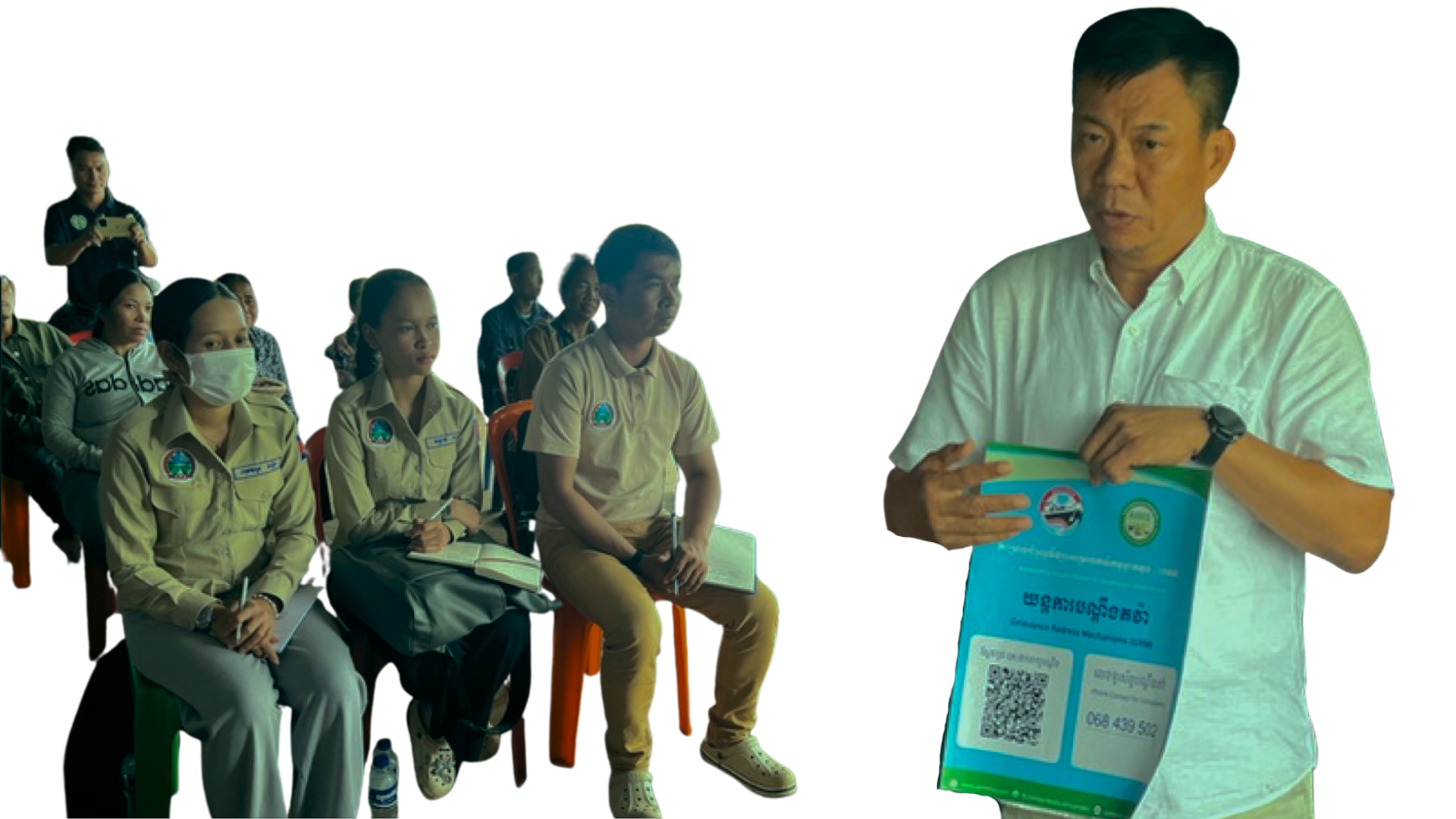
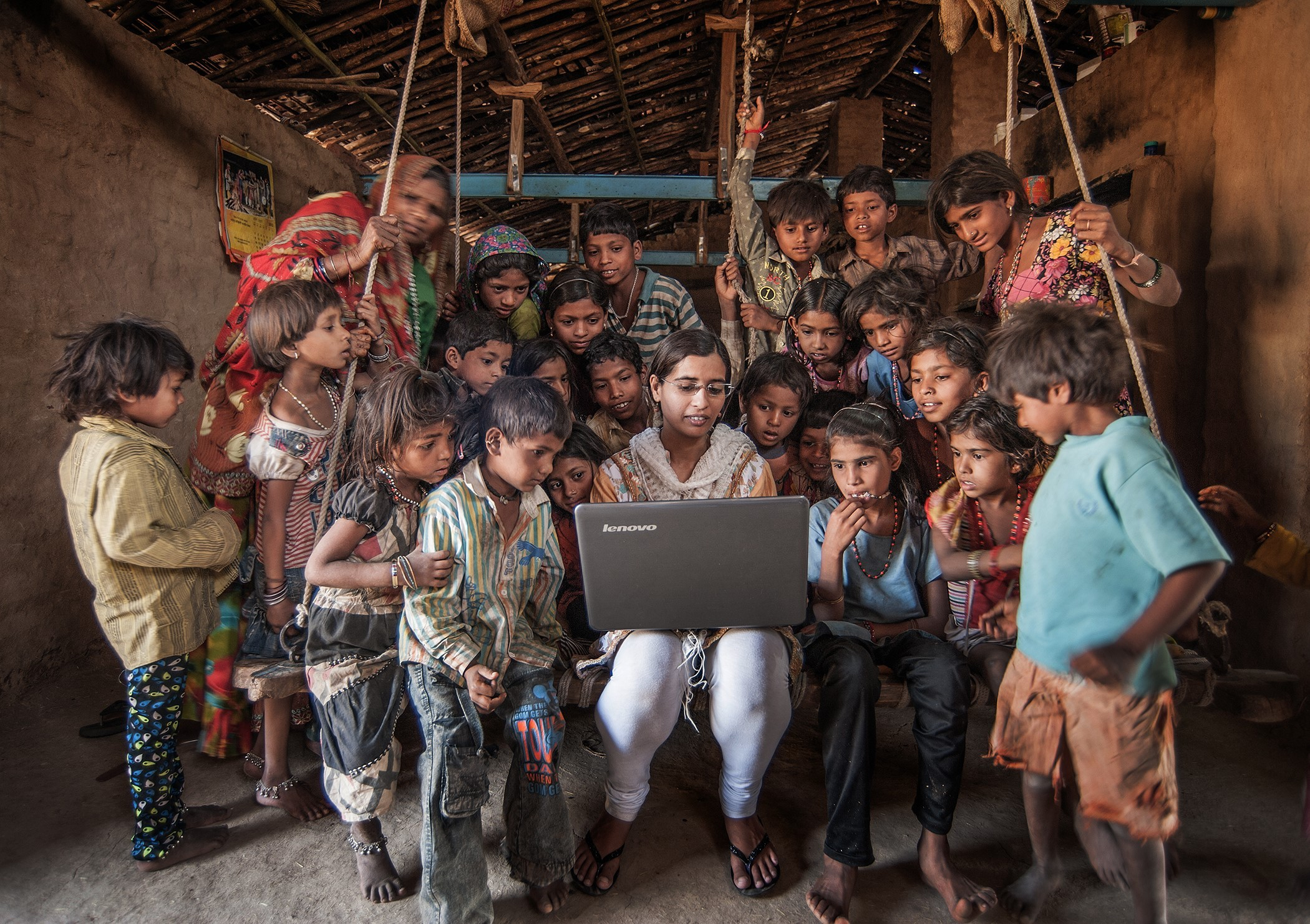
Through the AIMS Project, IFAD trained project staff on environmental, social and climate risk management and grievance redress. A QR code-based reporting tool supports early issue detection and stronger local acceptance.
#IFAD
Strengthening Capacities
Across the UN System
Video: How robots powered by Artificial Intelligence can extend human capabilities and enrich adult learning experiences (ITCILO).
Image: Mr Kim Huot, Director of Battambang PDoC and Head of Provincial Project Management, explains the GRM to the community (AIMS Project, IFAD).
Developing New Solutions
‣
UN OHCHR is piloting the Human Rights Data Exchange (HRDx), the world’s first authoritative, open human rights data service for everyone, everywhere. Currently a minimum viable product, the HRDx will be launched later this year. It provides the digital backbone needed to safely share, verify and analyse currently siloed human rights data, unlocking AI-powered analytics at scale and enabling faster, evidence-based action.
#UN OHCHR
‣
UNU-WIDER established secure research data labs with national revenue authorities across sub-Saharan Africa. The access to anonymised administrative tax data will transform how evidence is generated for policy on taxation, inequality and development.
#UNU-WIDER
‣
UNICC is enabling the UN system to meet the challenges posed by Post-Quantum Cryptography and Quantum Key Distribution, two approaches designed to secure data against the potential threats posed by quantum computers, through tailored advisory services, including strategic roadmaps, technical assessments and scenario-based risk simulations.
#UNICC
‣
FAO launched the Science, Technology and Innovation Portal and the Agrifood Systems Technologies and Innovations Outlook Knowledge Base to improve access to digital solutions and grassroots innovations.
#FAO
‣
The IMF’s Compilers Hub brings together tools, dashboards and methodological resources in a single platform for statisticians. Ongoing enhancements are exploring AI-enabled features to support more efficient navigation of technical materials.
#IMF
‣
ESCAP has developed the Stakeholders Directory, an internal digital application used for official communications with Member States and institutional partners. Replacing the old PDF “yellow pages,” the new application connects directly to Outlook and lets staff quickly select government counterparts from an updated list and generate emails directly within the directory. This integrated workflow reduces errors and improves efficiency in a process used regularly for intergovernmental communication across ESCAP.
#UN ESCAP
‣
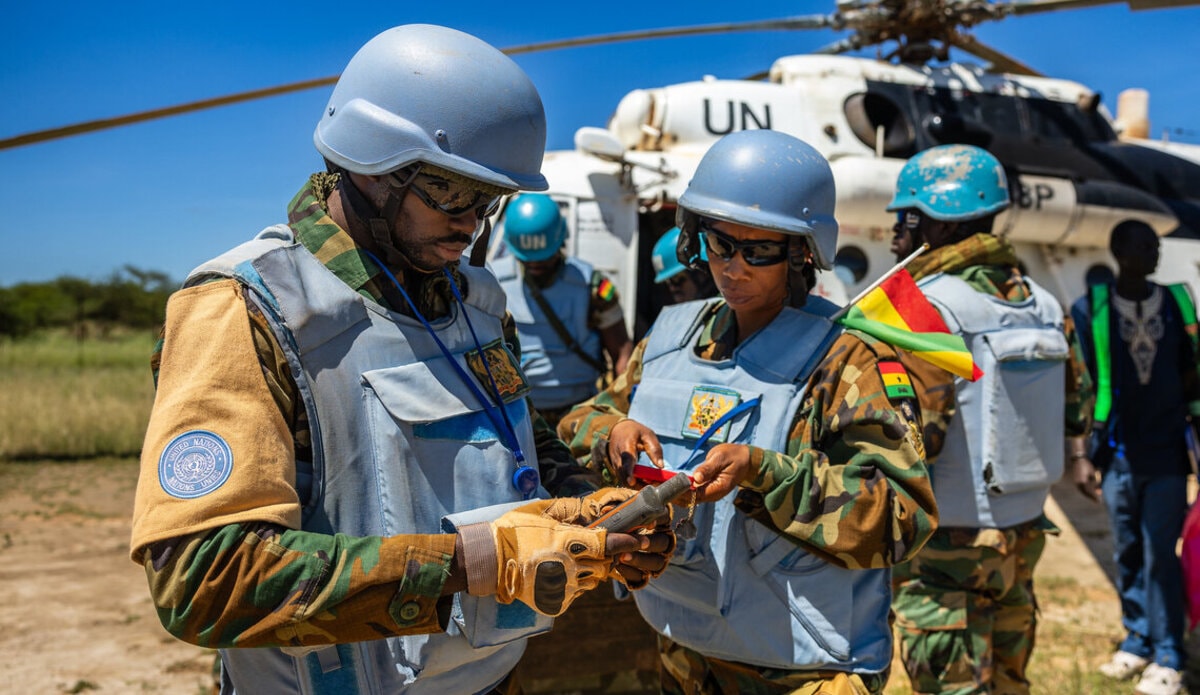
UN DPO’s digital workflow pilots for UN Missions (UNMISS, UNISFA and MINUSCA) introduced automation for several prioritised data collection and field reporting pipelines, saving more than 200 hours of staff time.
#UN DPO
‣
The UN Youth Office is developing the Youth Knowledge Hub (forthcoming on UN Youth Affairs website) in collaboration with UN OICT and Columbia University. The Hub unifies fragmented resources into an integrated digital system that expands access to knowledge on key youth engagement pathways across the UN. Its purpose is to generate clearer, more accessible avenues for youth participation under the UN Youth Compass.
#UN YOUTH OFFICE
#UN OICT
‣
The UN DPO Digital Transformation Team delivers innovation sprints, including hackathons, accelerators, and incubators, to develop digital prototypes addressing pressing peacekeeping challenges put forward by field missions and HQ, in collaboration with academic and private sector partners. Prototypes developed for UNMISS, UNFICYP, and UNMAS are currently under development for deployment.
#UN DPO
‣
UN DPO’s Digital Transformation Team established common governance approaches for digital initiatives, identified common data standards, and developed a mission data toolkit that mapped priority datasets and improved data discoverability. These efforts are supported by monthly Innovation Moments and the development of an Innovation Toolkit for UN Peacekeeping.
#UN DPO
‣
UNV’s Unified Volunteering Platform (UVP) has transformed fragmented volunteering processes into a single, efficient digital system. Even though UVP was built before today’s advanced AI models became mainstream, its forward-looking architecture has enabled the integration of AI and cloud-based tools. UVP has reduced repetitive manual work, improved data quality, standardized recruitment, and accelerated decision‑making - all while freeing up staff to focus on innovation and service quality.
#UNV
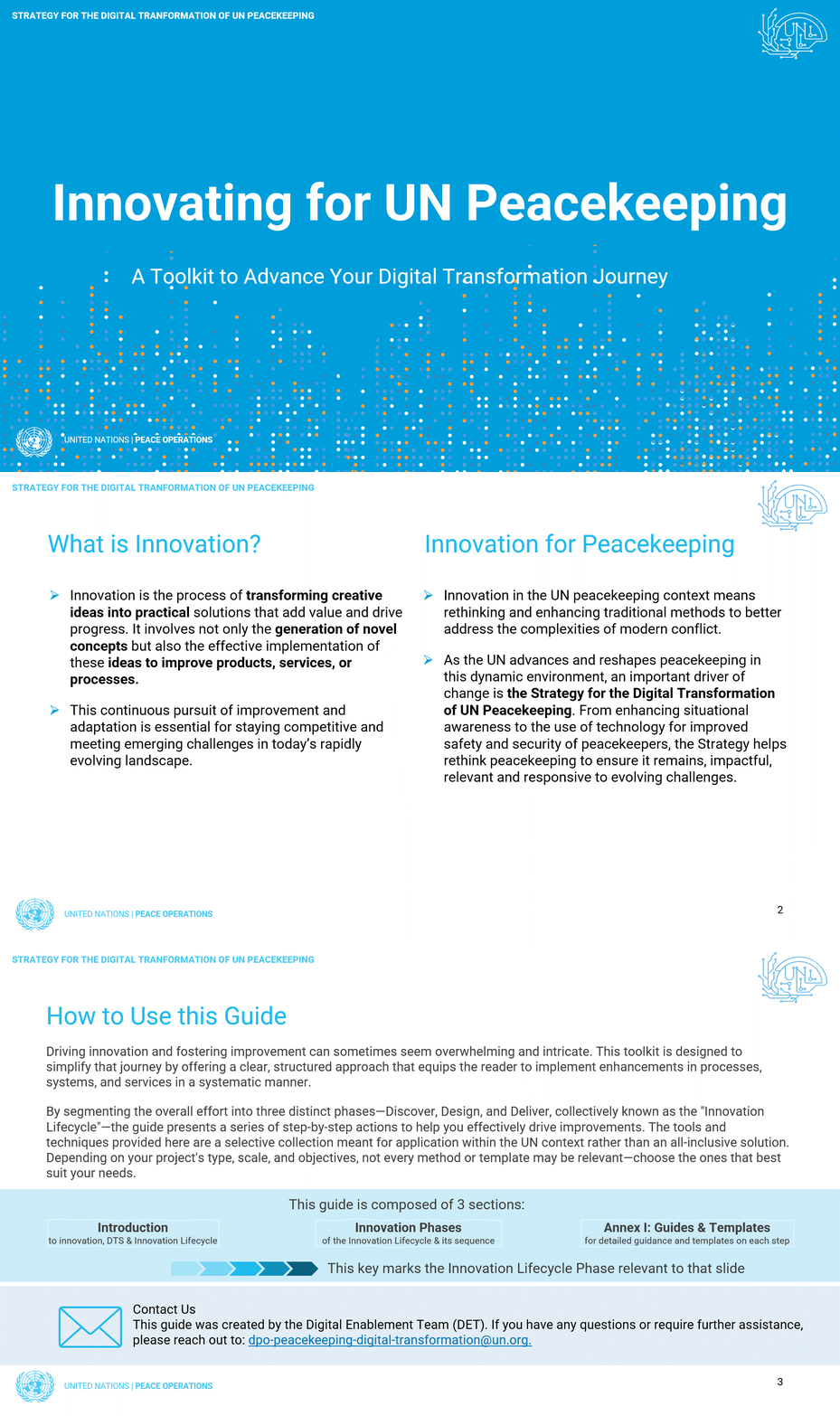
Image: The Digital Transformation Strategy of UN Peacekeeping uses data, technology and innovation to better equip missions operating in complex environments to tackle current and future challenges and work more efficiently.
Video (Top): This is a story about how tax data is being used to improve government policy, and how developing countries are sharing this innovation with each other.
Slide Show (Bottom): Innovation Toolkit for UN Peacekeeping

Highlights across the UN
The UN is strengthening innovation ecosystems through interoperable data platforms, secure research infrastructure and next-generation technologies like quantum security. Different initiatives are scaling digital solutions, streamlining operations and investing in workforce capabilities, while expanding global partnerships, capacity-building and innovation infrastructure to accelerate inclusive, evidence-based and system-wide transformation.

ENABLING INNOVATION
